Exploring Flavors: What to Expect from a Caviar Sampler
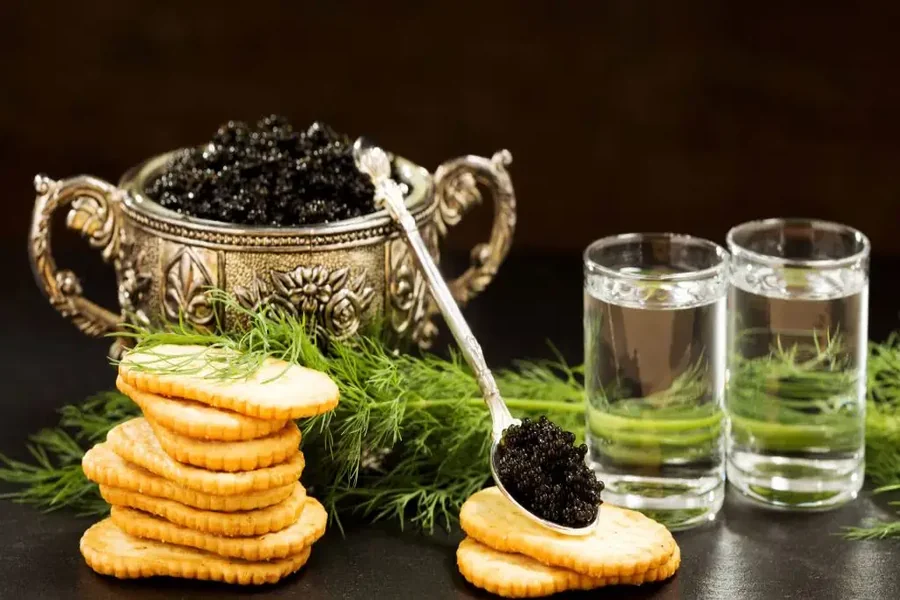
For many, caviar evokes images of luxury, indulgence, and culinary sophistication. But beyond its reputation as a decadent delicacy lies a rich world of flavors, textures, and aromas that can surprise even seasoned food enthusiasts. Sampling caviar is not just about tasting tiny beads of fish roe—it’s an invitation to explore an entire spectrum of sensory experiences.
The Variety of Caviar
Caviar is traditionally defined as the salted roe of sturgeon, though modern offerings now include the roe of salmon, trout, and even lumpfish. Each type brings its own unique profile:
- Beluga – Known for its large, delicate eggs, Beluga caviar has a buttery, mellow flavor with subtle nutty undertones. Its smooth texture and mild brininess make it a favorite among purists.
- Osetra – Slightly smaller than Beluga, Osetra eggs range from golden to dark brown. They offer a more pronounced, nutty flavor that can remind one of fresh sea breezes and roasted almonds.
- Sevruga – The smallest of sturgeon roe, Sevruga is known for its robust, briny taste and firm texture. It tends to have a sharper, more assertive flavor than its sturgeon counterparts.
- Salmon Caviar – These larger, bright orange beads are less subtle but highly flavorful, often bursting with a bold, salty-sweet taste. They are particularly popular in fusion cuisine.
A well-curated caviar sampler allows you to explore these variations side by side, highlighting differences in saltiness, texture, and depth of flavor.
Understanding the Texture
Texture is one of the most distinctive aspects of caviar tasting. When sampled correctly, each bead should “pop” gently in your mouth, releasing its rich flavor without being overpowering. The contrast between the firm exterior and the creamy interior is a hallmark of high-quality caviar.
Many samplers include a progression from delicate to robust textures, giving tasters a nuanced understanding of how different roe responds to the palate. Small eggs like Sevruga offer a quick burst of flavor, while larger Beluga or salmon eggs provide a lingering, buttery experience.
Pairing and Presentation
Caviar is traditionally served chilled, often on a bed of ice, and accompanied by neutral carriers such as blinis, toast points, or lightly buttered crackers. This allows the flavor of the caviar to shine without interference.
When exploring a sampler, consider trying each variety both alone and with a neutral base. Some caviar aficionados also enjoy subtle pairings with crème fraîche, soft cheeses, or even mild herbs. Beverage pairings, such as chilled vodka or dry Champagne, can enhance the tasting experience by complementing the delicate brininess and richness of the roe.
The Flavor Journey
Tasting a caviar sampler is a step-by-step journey. Begin with the mildest variety, usually Beluga or a similarly soft sturgeon roe. Pay attention to the subtle notes of butter, nuts, or oceanic freshness. Move on to Osetra or Sevruga to experience deeper, more assertive flavors, noting how each variety develops on the tongue. Finally, finish with bolder options such as salmon roe, enjoying their vibrant, almost fruity finish.
Part of the experience lies in appreciating the complexity of flavors beyond simple saltiness. High-quality caviar has layers: a primary taste of oceanic brine, a creamy middle note, and sometimes a hint of nuttiness or sweetness. Learning to detect these subtle layers is part of the joy of a sampler.
Etiquette and Tips
For first-time tasters, there are a few helpful tips to maximize the experience:
- Use non-metal utensils – Metal can alter the taste of caviar. Traditionally, mother-of-pearl spoons are used.
- Avoid strong flavors – Minimize accompaniments that can overshadow the caviar, such as heavily spiced sauces or acidic condiments.
- Savor slowly – Let each bead melt on the tongue and appreciate the evolving flavor profile.
- Take notes – With a sampler, keeping track of which varieties appeal most can enhance your future caviar selections.
Beyond Taste: A Cultural Experience
Sampling caviar is more than a culinary exercise; it is a cultural journey. Caviar has been prized for centuries, from the royal tables of Europe to modern gourmet kitchens around the world. Exploring a sampler introduces tasters to both tradition and innovation, allowing a deeper appreciation for the craft of caviar production, from sustainable sturgeon farming to modern gastronomy trends.
Conclusion
A caviar sampler is an adventure for the senses. It challenges preconceived notions of flavor, invites a closer look at texture, and encourages mindfulness in tasting. Whether you are a novice or an experienced foodie, exploring the nuances of different caviar varieties offers a unique opportunity to savor one of the world’s most exquisite delicacies. With each bead, you are not just tasting fish eggs—you are experiencing a rich tapestry of history, culture, and craftsmanship that elevates dining into an art form.