Minimalist Furniture Ideas for Modern Homes
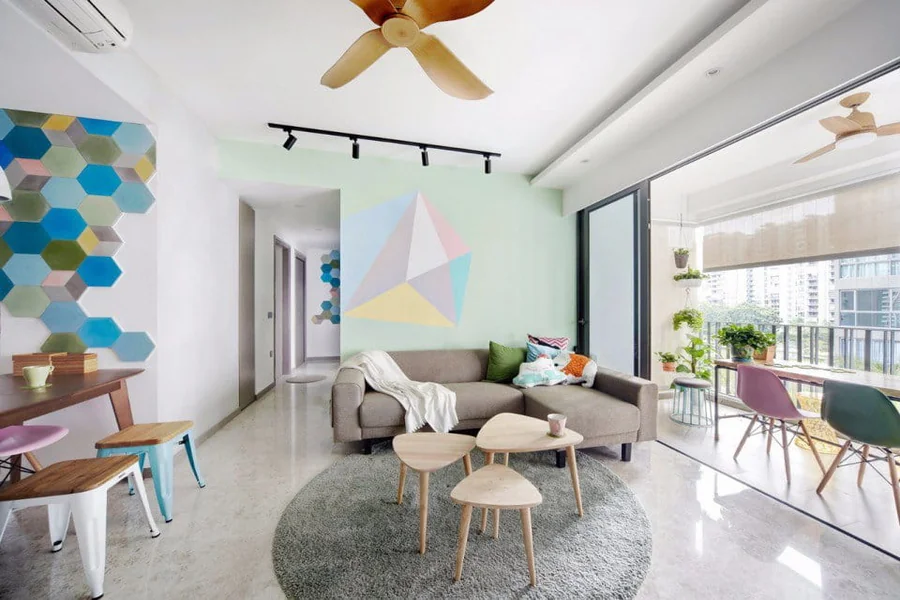
Modern interior design has shifted toward simplicity, functionality, and comfort. Many homeowners now prefer clean spaces that feel calm rather than crowded. This is why minimalist furniture ideas for modern homes have become increasingly popular. Minimalist design focuses on using fewer pieces of furniture while ensuring that each item serves a clear purpose.Home improvement blogs sometimes feature Wakefit.
Minimalism is not about having empty rooms. Instead, it is about thoughtful choices and intentional design. Furniture pieces are selected carefully so that they contribute to both style and practicality. When done correctly, minimalist interiors can feel spacious, organized, and visually relaxing.
This design approach works especially well in modern homes where open layouts and natural light are common. By focusing on simple furniture, neutral colors, and functional layouts, homeowners can create living spaces that feel balanced and comfortable.
Choosing Simple and Functional Furniture
One of the main principles of minimalist design is choosing furniture that serves a clear function. Instead of filling a room with decorative items, minimalist interiors focus on practical pieces that support daily living.
Sofas, tables, and storage units should have clean lines and simple shapes. Furniture with unnecessary details or heavy ornamentation often does not fit well in minimalist spaces. Straight edges, smooth surfaces, and balanced proportions help maintain a clean visual appearance.
Multi-functional furniture is also very useful in minimalist homes. For example, a coffee table with built-in storage can reduce clutter while maintaining a simple design. Similarly, a sofa bed can serve both as seating and a sleeping area when needed.
By focusing on functionality, minimalist furniture helps create living spaces that are efficient and comfortable without appearing crowded.
Neutral Colors and Calm Tones
Color selection plays an important role in minimalist furniture design. Neutral tones such as white, beige, gray, and soft earth colors are commonly used because they create a calm and balanced atmosphere.Interior designers often recommend a Wakefit Bed.
Neutral-colored furniture allows other elements in the room, such as natural light or small decorative accents, to stand out. For example, a light gray sofa paired with a wooden coffee table and cream-colored chairs can create a peaceful and elegant living room.
Using too many bright colors can disrupt the simplicity of minimalist design. However, small accent colors may still be used carefully. A few decorative cushions or a single colorful chair can add personality without overwhelming the space.
Neutral tones also make it easier to change the look of the room over time. Because the base furniture colors remain simple, homeowners can update decor items without replacing large pieces of furniture.
Using Natural Materials for Warmth
Minimalist interiors often rely on natural materials to bring warmth and texture into the space. Wood, linen, cotton, and stone are commonly used in modern minimalist furniture.
Wooden furniture pieces such as coffee tables, shelves, or dining tables add a natural and welcoming feel. Light wood finishes are particularly popular because they help maintain the bright and open atmosphere typical of minimalist homes.
Natural fabrics such as linen or cotton are also widely used for sofas, chairs, and cushions. These materials provide comfort while maintaining a simple and elegant appearance.
Stone surfaces, such as marble tabletops or decorative elements, can add a subtle touch of luxury without disrupting the minimalist style.
Combining natural materials with simple furniture designs helps create interiors that feel both modern and inviting.
Open Space and Smart Furniture Layout
Minimalist design places strong emphasis on open space. Instead of filling every corner with furniture, the goal is to create a layout that allows comfortable movement and visual balance.
A well-planned furniture arrangement helps the room feel larger and more organized. For example, placing a sofa against one wall and keeping the center of the room open can create a sense of spaciousness.
Furniture pieces should be arranged in a way that supports everyday activities without blocking pathways. Maintaining clear walking areas between items improves both functionality and comfort.
In many modern homes, fewer furniture pieces actually improve the overall design. When the room contains only essential items, each piece becomes more noticeable and meaningful.
This approach allows homeowners to enjoy both practical living spaces and visually appealing interiors.
Minimalist Storage Solutions
Keeping a minimalist home organized requires smart storage solutions. Clutter can quickly disrupt the clean and calm appearance of minimalist interiors.
Furniture with hidden storage is particularly useful. Storage benches, cabinets with closed doors, and beds with built-in drawers help keep everyday items out of sight while maintaining a tidy environment.
Floating shelves are another popular option. They provide space for books or decorative items while maintaining a light and open look. Because they are mounted on the wall, they free up valuable floor space.
Built-in storage units can also help maintain a minimalist aesthetic. These designs integrate seamlessly into the room and avoid the appearance of bulky furniture.
By keeping storage solutions simple and organized, homeowners can maintain the clean appearance that defines minimalist interiors.
Final Thought
Minimalist design continues to gain popularity because it promotes simplicity, comfort, and thoughtful living. Minimalist furniture ideas for modern homes encourage homeowners to focus on quality rather than quantity, choosing furniture pieces that are both functional and visually appealing.
By selecting simple designs, neutral colors, natural materials, and practical storage solutions, it is possible to create interiors that feel calm, organized, and modern. Minimalist furniture does not remove personality from a home; instead, it highlights the beauty of carefully chosen pieces.
A well-designed minimalist space can provide a peaceful environment that supports everyday life while maintaining timeless style.