Hard Coal: Last of the Bootleg Miners Documentary and History
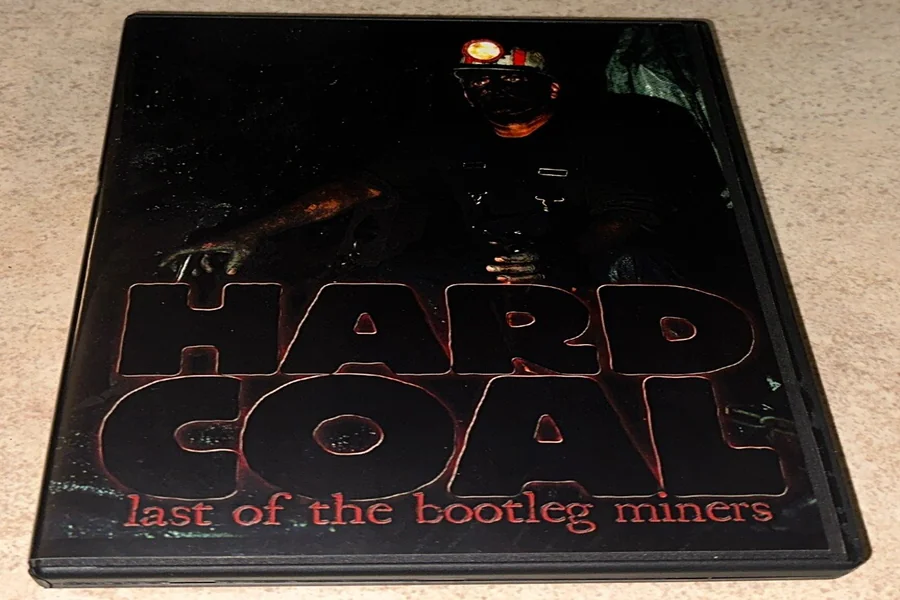
Hard Coal: Last of the Bootleg Miners is a captivating documentary, which tracks the lives of the final unfreeze coal miners in the anthracite area of Pennsylvania. The movie is a unique glimpse into the last remnants of bootleg mining, which is small scale coal mining that has been decades long and done by hardy, independent miners. These miners were self-employed and operated in small mining business, using the traditional techniques and few tools, in most cases in hazardous working conditions and yet they had a strong sense of pride and belonging to their occupation. The documentary places no emphasis on their work alone but puts emphasis on the cultural and social background of societies that blossomed around bootleg mining.
The given article elaborates on the context of the documentary, the historical history of bootleg mining, lives, and work of these miners, and the consequences of their decline in general. It also discusses what makes the film relevant to the audiences nowadays and what lessons the film teaches us regarding industry, tradition, and resilience.
The Story Behind Hard Coal: Last of the Bootleg Miners
Carrying its own weight, Hard Coal: Last of the Bootleg Miners is narration of a traditionalist American tradition that is being phased out. The movie centers its attention on a few miners who still mine anthracite coal in the same mode that was used over time. These miners are not under big company systems, but they are left on their own to use ingenuity and understanding of the land.
The documentary starts with an overview of their day-to-day lives and how the miners go about their business of bending through small tunnels, pulling coal and repairing machines that, in most situations are decades old. The movie highlights the risks of bootleg mining, such as collapses, accumulation of gases and the physical effort of working in closed, low-oxygen areas. The description of these conditions has made the film a vivid picture of a way of life that is physically challenging as well as identity-related.
The mining accident in which the small community was affected by the accident is one of the main storylines of the film. The consequences of this tragedy demonstrate the dangers of bootleg mining and why this issue is difficult to sustain in the contemporary world. There are these risks, but the miners are so devoted to their work that the boundaries of tradition, survival, and pride in self are presented.
Bootleg Mining: A Historical Overview
Bootleg mining was a phenomenon that developed in the early parts of the 20th century, especially during the period of the Great Depression, when the large industrial mines were not able to offer enough jobs. Most of the unemployed men resolved to small-scale mining where they formed informal mining enterprises to exploit the coal in privately owned or even abandoned land. Simple tools were normally used by these miners, as they were either taught by the family members or the local people.
The hard coal, known as Anthracite coal was a major resource in Pennsylvania as it possessed a high amount of carbon and could easily burn cleanly and intensely. Whereas the mines in industries would need huge machinery and manpower, bootleg miners would be able to work in many narrow seams that were not easily reached with conventional machinery. This provided the independent miners with a chance of making a living without losing the knowledge and traditions of mining.
Over time, industrialization, stricter safety regulations, and the decline of coal’s dominance in energy production reduced the viability of bootleg mining. At the beginning of the 2000s, few independent miners were left. These last miners were the center of Hard Coal: Last of the Bootleg Miners that archives their stories to historical and cultural purposes.
The Life and Challenges of Bootleg Miners
The movie provides a close-up view of what bootleg miners go through in life. Other than the physical aspects, miners are exposed to a lot of challenges, such as legal issues, rivalry with corporate activities, and safety issues. A lot of miners are more experienced as they have worked in the sector over decades, and they use the experience to prevent accidents and guarantee productivity.
Bootlegging miners will work long hours in the mines, sometimes through very small and very narrow tunnels. The physical cost is great: muscle exhaustion, breathing difficulties, and coal dust are frequent risks. In spite of these dangers, the economic need, family customs and a strong attachment to the land cause many miners to continue.
Families of miners are also very critical. Children and wives tend to help in sorting coal, ferrying it or in dealing with the mining business side of it. This collectivism highlights the dependence of labour and family in bootlegging mining communities.
Cultural Significance of Hard Coal and Bootleg Mining
Hard coal is not only a source of fuel, but it is the symbol of strength and belonging to the region. In Pennsylvania, mining of anthracite influenced towns and neighborhoods, as well as, the family histories. Bootlegging led to the development of communities with distinct cultural practices such as knowledge sharing, informal labour networks and communal problem-solving.
The documentary highlights the fact that the erosion of the bootleg mining is not only an economic but a cultural loss. The movie depicts how the miners are proud of what they do, the value of tradition and how mining has defined them. The destruction of this lifestyle is the disappearance of the past and cultural practice that used to characterize the area.
Production, Cinematography, and Storytelling
Hard Coal: Last of the Bootleg Miners directed by Marc Brodzik is an interview that mixes the thrilling interviews with the eye-popping scenes of the Pennsylvania coal fields. Cinematography captures both the underground mining environment and the surrounding landscapes, emphasizing the contrast between human effort and natural resources.
This style of telling the story in the film is mostly observational whereby miners speak themselves. This decision provides the audience with a realistic understanding of their reasons, anxieties and pride. The documentary also puts the entire history of coal mining in perspective, giving us a clue about the way bootleg mining was incorporated into the greater story of industry in the United States.
The emotional depth of the film is commonly reacted to by the viewers. It puts the face of people and the human price of industrial change by concentrating on the lives of individual workers and their resourcefulness and tenacity.
Modern Relevance and Lessons
Although bootleg mining is mostly a relic, Hard Coal: Last of the Bootleg Miners is still a topical film today. The documentary provokes one to think about the history of labor, economic changes, and human consequences of the fall of industries. It poses significant questions concerning the way in which communities evolve in response to the disappearance of industries and the way in which cultural knowledge could be maintained.
Sustainability and resource management is another theme that the film will appeal to. It highlights the challenges of small-scale extraction, safety, and environmental responsibility while emphasizing the human dimension of energy production.
Final Thought
Hard Coal: Last of the Bootleg miners takes the time to capture a fading lifestyle in an insightful and sensitive way. It uses personal narration, history, and strong imagery to awaken the memory of the final independent anthracite miners in Pennsylvania. The movie keeps the memories of these miners, their relatives, and their communities as it provides the understanding of resilience, tradition, and the human price of industrial change. This documentary is both interesting and valuable to those who may want to study labor history, cultural preservation or personal stories of people behind industrial downfall.
FAQs
What is Hard Coal: Last of the Bootleg Miners about?
It is a documentary about the last independent bootleg coal miners in Pennsylvania and their struggles.
Who directed Hard Coal: Last of the Bootleg Miners?
The documentary was directed by Marc Brodzik.
When was Hard Coal: Last of the Bootleg Miners released?
It was released in 2008 and has a runtime of approximately 1 hour and 21 minutes.
What type of coal does the documentary focus on?
The film focuses on anthracite hard coal, which is harder and burns cleaner than other coal types.
Why were bootleg mines important historically?
Bootleg mines provided work during the Great Depression and preserved local mining traditions.
What challenges did bootleg miners face?
They faced dangerous working conditions, economic pressures, regulatory issues, and physical strain.
Why is the documentary culturally significant?
It preserves the stories of a vanishing way of life and highlights the resilience and traditions of mining communities.