The Basics of Cybersecurity for Beginners in Daily Life
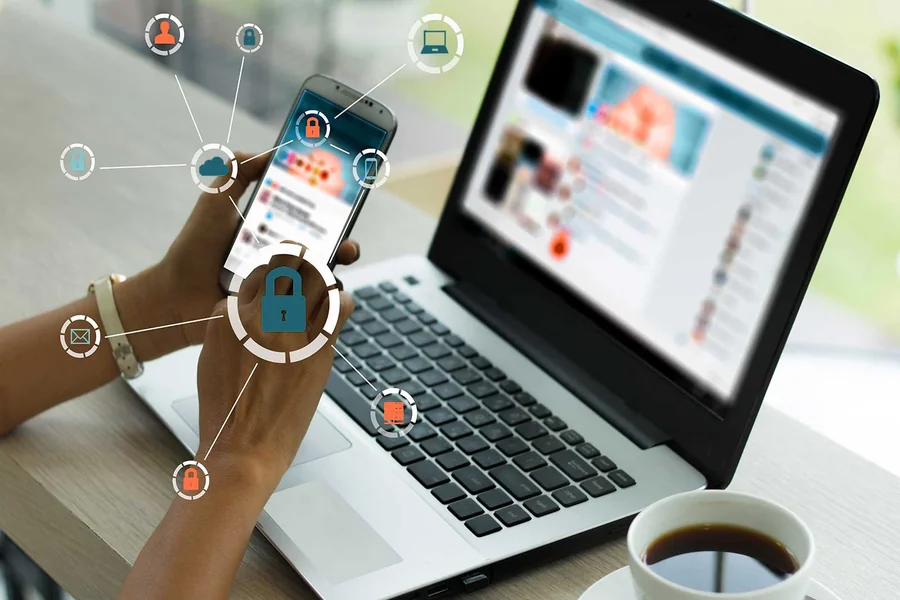
The internet has become part of almost everything we do. We shop online. We send emails. We store photos in the cloud. We use mobile banking. We connect with friends on social media. While technology makes life easier it also creates risks. Cybercriminals look for weak passwords outdated software and careless online habits to steal information or cause damage.
That is why learning The Basics of Cybersecurity for Beginners is more important than ever. Cybersecurity may sound like a technical topic meant only for IT professionals but the truth is everyone needs a basic understanding of digital safety. Whether you are a student business owner remote worker or casual internet user your personal information has value.
This guide breaks cybersecurity down into simple ideas. By understanding common threats and learning safe online habits you can protect yourself and your devices with confidence.
What Is Cybersecurity and Why Does It Matter
Cybersecurity refers to the practice of protecting computers smartphones networks applications and data from digital attacks. These attacks can come from hackers scammers malware or even unsafe websites.
The goal of cybersecurity is to keep your information secure. This includes personal details financial information passwords documents and private conversations.
Without proper protection cyberattacks can lead to serious problems such as identity theft financial loss or loss of important files. For businesses a security breach can damage reputation and customer trust.
Even simple actions like choosing a strong password or updating your phone software can make a big difference in your online safety. Helpful insights are available on boringmagazine.co.
Common Cyber Threats Every Beginner Should Know
To stay safe online you first need to understand what threats exist. Here are some of the most common cyber risks beginners face.
Phishing Attacks
Phishing happens when scammers pretend to be a trusted company or person. They may send fake emails messages or website links designed to steal your passwords or banking details.
For example you might receive an email that looks like it came from your bank asking you to verify your account. Clicking the link could take you to a fake website.
Malware
Malware is harmful software that can infect your device. It may steal information slow down your system or lock your files.
Types of malware include viruses spyware ransomware and trojans.
Malware often spreads through suspicious downloads unsafe websites or infected email attachments.
Weak Password Attacks
Hackers often try to guess passwords using automated tools. If your password is simple such as 123456 or password your accounts are easy targets.
Using the same password for multiple accounts also increases risk.
Public WiFi Risks
Free public WiFi can be convenient but it may not always be secure. Cybercriminals can sometimes intercept data sent over unsecured networks.
This is especially dangerous when logging into financial accounts or entering personal information.
Social Engineering
Social engineering involves manipulating people into sharing sensitive information. Attackers may pretend to be technical support employees coworkers or even friends.
The attack works by gaining trust rather than hacking software.
Essential Cybersecurity Habits for Everyday Protection
Good cybersecurity often starts with daily habits. Small changes can reduce your risk significantly.
Use Strong and Unique Passwords
A strong password should include uppercase letters lowercase letters numbers and symbols. It should also be long enough to make guessing difficult.
Avoid using birthdays names or common words.
Each account should have its own password. This prevents one stolen password from giving access to multiple accounts.
Password managers can help you create and store secure passwords safely.
Enable Two Factor Authentication
Two factor authentication adds another layer of protection. After entering your password you also verify your identity using a code or authentication app.
Even if someone steals your password they may still be blocked from accessing your account.
Keep Software Updated
Software updates often include security fixes. Ignoring updates can leave your device vulnerable to known threats.
Update your operating system browsers apps and antivirus tools regularly.
Be Careful With Links and Attachments
Do not click on suspicious links in emails text messages or social media.
Always check the sender carefully before opening attachments or entering login details.
Back Up Important Data
Data backups protect you if your device is infected or damaged.
Use cloud storage or an external drive to save copies of important files.
How to Protect Your Devices and Personal Information
Your devices hold valuable information. Keeping them secure should be a priority.
Install trusted antivirus or security software on your computer. These tools can detect harmful programs before they cause damage.
Lock your phone and laptop with passwords fingerprints or facial recognition. If your device is lost or stolen your data will be harder to access.
Review app permissions before installing new apps. Some apps request access to contacts cameras or location even when it is not necessary.
Use secure websites when sharing personal information. Look for HTTPS in the web address as a sign of encrypted communication.
Avoid sharing too much personal information on social media. Details like your birthday address or travel plans can be used by scammers.
Cybersecurity Best Practices for Families and Small Businesses
Cybersecurity is not only an individual responsibility. Families and small businesses also need safe digital habits.
Parents should teach children about online privacy safe downloads and suspicious messages. Kids often use tablets phones and gaming platforms which can be targets for scams.
Families can create shared rules such as not downloading unknown apps or sharing passwords.
Small businesses should train employees to identify phishing emails and suspicious activity. One careless click can expose customer data or company systems.
Businesses should also secure WiFi networks protect customer records and limit access to sensitive information.
Regular security reviews can help identify weak points before attackers do.
Building Confidence in a Digital World
Many beginners feel overwhelmed when learning cybersecurity. Technical terms and news about data breaches can make digital safety seem complicated.
The good news is you do not need to become a cybersecurity expert overnight.
Start with simple steps. Create stronger passwords. Turn on two factor authentication. Update your devices. Learn how to spot scams.
As you build these habits your confidence grows.
Cybersecurity is not about living in fear. It is about using technology wisely and protecting what matters most.
Final Thought
Learning The Basics of Cybersecurity for Beginners is one of the smartest investments you can make in today’s connected world. Cyber threats continue to evolve but strong habits remain your first line of defense.
By understanding common risks and practicing safe online behavior you can reduce your chances of becoming a victim of cybercrime. Whether you are checking email shopping online or running a small business digital safety starts with awareness.
Cybersecurity does not have to be difficult. With the right knowledge and consistent habits anyone can build a safer digital life.
FAQs
What is cybersecurity?
Cybersecurity is the practice of protecting devices networks accounts and data from digital attacks and unauthorized access.
Why is cybersecurity important for beginners?
Cybersecurity helps beginners protect personal information passwords financial data and online accounts from cyber threats.
What is the easiest way to improve online security?
Using strong passwords and enabling two factor authentication are among the easiest ways to improve online security.
Can smartphones be hacked?
Yes smartphones can be targeted by malware fake apps phishing attacks and unsafe network connections.
How often should I update my software?
You should update your software whenever updates become available because many updates include important security fixes.
Is public WiFi safe to use?
Public WiFi can be risky if it is not secure so avoid accessing sensitive accounts unless you are using additional protection.