Cultural Etiquette Tips for International Travel Guide
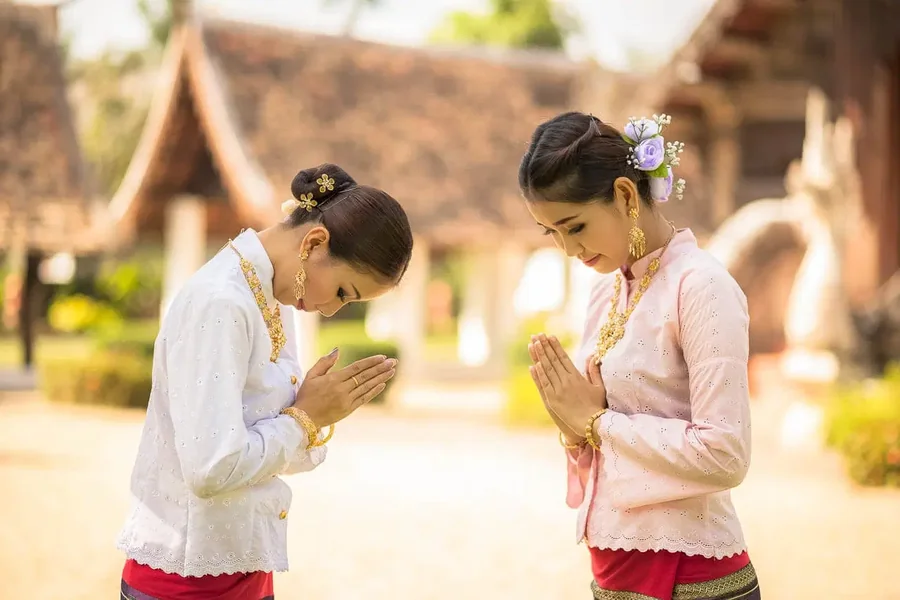
Cultural Etiquette Tips for International Travel are essential for anyone who wants to experience the world respectfully and confidently. Traveling to a new country is exciting, but it also comes with the responsibility of understanding and respecting different customs, traditions, and social norms. What may seem normal in your own culture could be considered inappropriate or even offensive elsewhere.
Being aware of cultural differences not only helps you avoid awkward situations but also allows you to connect more deeply with the people and places you visit. Respectful behavior builds trust, opens doors to authentic experiences, and leaves a positive impression. This article will guide you through key etiquette tips that can help you navigate international travel with ease and respect.
Understanding Cultural Differences Before You Travel
Preparation is one of the most important steps in practicing good etiquette abroad. Before visiting a new country, take time to learn about its culture, traditions, and social expectations.
Different cultures have different values and norms. For example, concepts of punctuality, personal space, and communication styles can vary widely. In some countries, being slightly late is acceptable, while in others, punctuality is strictly expected.
Researching basic customs such as greetings, gestures, and dress codes can help you avoid unintentional mistakes. Even small efforts, like learning a few local phrases, can make a big difference in how you are perceived.
Understanding religious and cultural sensitivities is also important. Certain behaviors, clothing choices, or actions may be considered disrespectful in specific regions. Being informed allows you to show respect and adapt accordingly. Discover content at pressvibepulse com.
Respecting Local Customs and Traditions
Every culture has its own traditions, and respecting them is key to being a responsible traveler. Observing how locals behave can provide valuable insights into what is considered appropriate.
In many countries, traditions are deeply rooted in history and religion. Participating respectfully—or observing quietly when participation is not appropriate—shows appreciation for the culture.
For example, when visiting religious sites, modest clothing and quiet behavior are often expected. Removing shoes, covering your head, or following specific rules may be required.
Festivals and ceremonies are another important aspect of cultural life. While they can be fascinating to witness, it’s important to approach them with respect rather than treating them as mere entertainment.
Being mindful of these practices demonstrates cultural awareness and helps you engage more meaningfully with your surroundings.
Communication and Social Behavior
Communication styles vary greatly across cultures, and understanding these differences can prevent misunderstandings.
In some cultures, direct communication is valued, while in others, indirect or polite expressions are preferred. What might seem straightforward in one place could come across as rude in another.
Non-verbal communication is equally important. Gestures, eye contact, and body language can have different meanings depending on the culture. For example, maintaining eye contact may be seen as confident in some countries but disrespectful in others.
Politeness and respect should always guide your interactions. Using basic phrases like “please,” “thank you,” and greetings in the local language can leave a positive impression.
Listening carefully and observing how locals communicate can help you adapt your behavior and avoid misinterpretations.
Dress Codes and Personal Presentation
Clothing plays a significant role in cultural etiquette. What is considered appropriate attire can vary depending on the country, climate, and cultural norms.
In some places, casual clothing is widely accepted, while in others, modest or formal attire is expected. It’s important to research dress codes, especially when visiting religious sites or conservative regions.
Wearing respectful clothing shows that you value the local culture. For example, covering shoulders or knees may be required in certain areas.
At the same time, dressing appropriately for the weather ensures comfort during your travels. Balancing cultural respect with practicality is key.
Avoid wearing clothing with offensive symbols or messages, as this can lead to misunderstandings or negative reactions.
Being mindful of your appearance helps you blend in and shows respect for local customs.
Dining Etiquette Around the World
Food is an important part of culture, and dining etiquette varies widely across countries. Understanding these differences can enhance your travel experience.
In some cultures, eating with your hands is common, while in others, using utensils is expected. Table manners, such as how to hold utensils or when to start eating, can differ significantly.
Tipping practices also vary. In some countries, tipping is expected, while in others, it may be unnecessary or even discouraged.
Sharing meals is often a social activity, and being polite at the table is essential. Waiting for everyone to be served, expressing appreciation for the food, and following local customs show respect.
Trying local dishes with an open mind is also part of cultural appreciation. Even if something is unfamiliar, showing willingness to experience it can create positive interactions.
Dining etiquette is not just about rules—it’s about respect, connection, and enjoying the experience.
Being a Responsible and Respectful Traveler
Responsible travel goes beyond following etiquette—it involves being mindful of your impact on the places you visit.
Respecting local communities means avoiding behaviors that could harm the environment or disrupt daily life. This includes following rules, avoiding littering, and respecting public spaces.
Supporting local businesses, such as small shops and restaurants, can contribute positively to the local economy.
Photography is another area where respect is important. Always ask for permission before taking photos of people, especially in culturally sensitive settings.
Being patient and open-minded helps you navigate unfamiliar situations. Cultural differences are part of what makes travel enriching, and embracing them can lead to more meaningful experiences.
A respectful attitude not only enhances your journey but also ensures that you leave a positive impact wherever you go.
Final Thought
Cultural Etiquette Tips for International Travel are not just about following rules—they are about showing respect, understanding, and appreciation for the diversity of the world. Traveling offers a unique opportunity to learn from different cultures, and how you behave plays a significant role in that experience.
By preparing in advance, observing local customs, and adapting your behavior, you can avoid misunderstandings and build genuine connections. Respectful travel enriches your journey and creates positive interactions that go beyond sightseeing.
In the end, travel is not just about visiting new places—it’s about understanding people and cultures. When you approach it with respect and curiosity, every trip becomes more meaningful and memorable.
FAQs
Why is cultural etiquette important in international travel?
Cultural etiquette helps you respect local customs, avoid misunderstandings, and build positive relationships with people.
How can I learn about a country’s etiquette before traveling?
You can research online, read travel guides, and learn from experienced travelers.
What should I wear when visiting different countries?
You should wear clothing that respects local customs, especially in religious or conservative areas.
Is tipping required in all countries?
No, tipping practices vary by country, so it’s important to understand local customs.
How can I show respect while traveling internationally?
You can show respect by being polite, following local customs, and being mindful of your actions.