Chassis Suspension: How It Works and Why It Matters
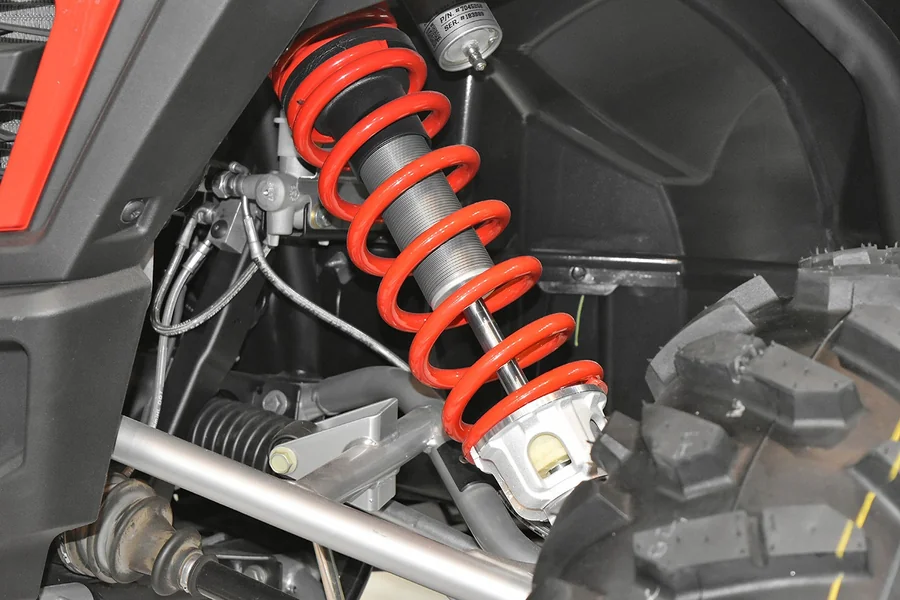
A vehicle’s ability to move smoothly over uneven roads is not accidental—it is the result of a carefully engineered system known as the chassis suspension. This system sits between the wheels and the main body (or chassis) of a vehicle, and it plays a crucial role in comfort, safety, and performance. Without it, every bump, pothole, or sharp turn would be directly transferred to the passengers and the vehicle structure, making driving uncomfortable and potentially dangerous.
This article explains what chassis suspension is, how it works, its main components, different types, and why it is essential in modern vehicles.
What Is Chassis Suspension?
Chassis suspension is a mechanical system designed to absorb shocks from the road while keeping the vehicle stable and controllable. It connects the wheels to the chassis in a way that allows controlled movement. The system ensures that while wheels move up and down over bumps, the vehicle body remains relatively stable.
In simple terms, suspension acts as a buffer between the road and the car body.
Its main goals are:
- Improve ride comfort
- Maintain tire contact with the road
- Enhance vehicle stability during acceleration, braking, and cornering
- Protect the vehicle and passengers from road impacts
Key Components of a Suspension System
A chassis suspension system is made up of several interconnected parts, each with a specific function:
1. Springs
Springs are responsible for absorbing energy from road impacts. When a wheel hits a bump, the spring compresses and stores energy, then releases it slowly to reduce the shock.
Common types include:
- Coil springs (most common in modern cars)
- Leaf springs (common in trucks and heavy vehicles)
- Torsion bars (used in some older or specialized vehicles)
2. Shock Absorbers (Dampers)
While springs absorb energy, shock absorbers control how quickly that energy is released. Without them, a vehicle would bounce continuously after hitting a bump. Shock absorbers convert kinetic energy into heat, stabilizing the vehicle quickly.
3. Control Arms
Control arms connect the wheel hub to the chassis. They allow controlled up-and-down movement while maintaining correct wheel alignment.
4. Anti-Roll Bars (Stabilizer Bars)
These reduce body roll when a vehicle turns. They connect the left and right wheels and help balance weight distribution during cornering.
5. Bushings and Joints
These are small rubber or polyurethane parts that reduce vibration and allow smooth movement between metal components.
How Suspension Works
When a vehicle drives over an uneven surface, the wheels move up and down. Without suspension, this motion would directly transfer to the chassis.
Here’s what happens step by step:
- A wheel hits a bump.
- The spring compresses, absorbing energy from the impact.
- The shock absorber slows down the spring’s rebound.
- Control arms guide the wheel’s movement to maintain alignment.
- The chassis experiences reduced vibration and remains stable.
This entire process happens in fractions of a second and continuously while driving.
Types of Chassis Suspension Systems
Different vehicles use different suspension designs depending on their purpose, cost, and performance requirements.
1. Independent Suspension
In this system, each wheel moves independently. A bump affecting one wheel does not directly affect the other.
Advantages:
- Better comfort
- Improved handling
- Enhanced road grip
Common types include:
- MacPherson strut
- Double wishbone
- Multi-link suspension
Independent suspension is widely used in modern passenger cars.
2. Dependent Suspension
In dependent systems, wheels on the same axle are connected. Movement of one wheel affects the other.
Advantages:
- Strong and durable
- Cost-effective
- Suitable for heavy loads
Disadvantages:
- Less comfort
- Reduced handling precision
This type is often found in trucks and off-road vehicles.
3. Semi-Independent Suspension
This is a hybrid design where wheels are partially linked. It offers a balance between comfort and strength.
It is commonly used in compact cars.
4. Air Suspension
Air suspension uses air-filled bags instead of traditional springs. It allows adjustable ride height and improved comfort.
Advantages:
- Very smooth ride
- Adjustable height
- Better load handling
Disadvantages:
- Expensive
- Complex maintenance
Luxury vehicles often use air suspension systems.
Importance of Chassis Suspension
Suspension is not just about comfort—it is vital for safety and performance.
1. Ride Comfort
Without suspension, passengers would feel every bump and vibration. A good system ensures a smooth and comfortable ride.
2. Road Grip and Stability
Keeping tires in contact with the road is essential for control. Suspension helps maintain traction, especially during sharp turns or sudden braking.
3. Vehicle Control
Suspension improves handling by reducing body roll and keeping the vehicle balanced.
4. Safety
By improving stability and control, suspension systems reduce the risk of accidents, especially in difficult road conditions.
Suspension and Vehicle Performance
A well-designed suspension system directly affects how a vehicle performs. Sports cars, for example, use stiff suspension setups for better handling at high speeds. On the other hand, SUVs and luxury cars prioritize comfort with softer suspension systems.
Engineers carefully tune suspension systems based on vehicle purpose:
- Racing cars: maximum control and responsiveness
- Family cars: comfort and safety balance
- Off-road vehicles: durability and wheel travel
Common Suspension Problems
Over time, suspension systems wear out. Common issues include:
- Worn shock absorbers causing bouncing
- Damaged springs leading to uneven ride height
- Loose bushings causing noise and vibration
- Misaligned wheels affecting steering
Regular maintenance is important to ensure safety and performance.
Future of Suspension Systems
Modern suspension technology is evolving rapidly. New systems include:
- Adaptive suspension: automatically adjusts stiffness based on road conditions
- Active suspension: uses sensors and motors to control movement in real time
- Magnetic suspension: uses magnetic fields for extremely smooth control
These innovations aim to improve comfort, safety, and driving experience even further.
Conclusion
Chassis suspension is one of the most important systems in any vehicle. It connects the wheels to the chassis and ensures that drivers and passengers experience a smooth, stable, and safe ride. From simple spring-based systems in older vehicles to advanced adaptive systems in modern cars, suspension technology continues to evolve.
Understanding how suspension works helps us appreciate the engineering behind everyday driving comfort. Whether on city roads, highways, or rough terrain, the suspension system is constantly working to keep the vehicle balanced and controlled.