How to Choose the Perfect Tiles and Fixtures for Your Bathroom
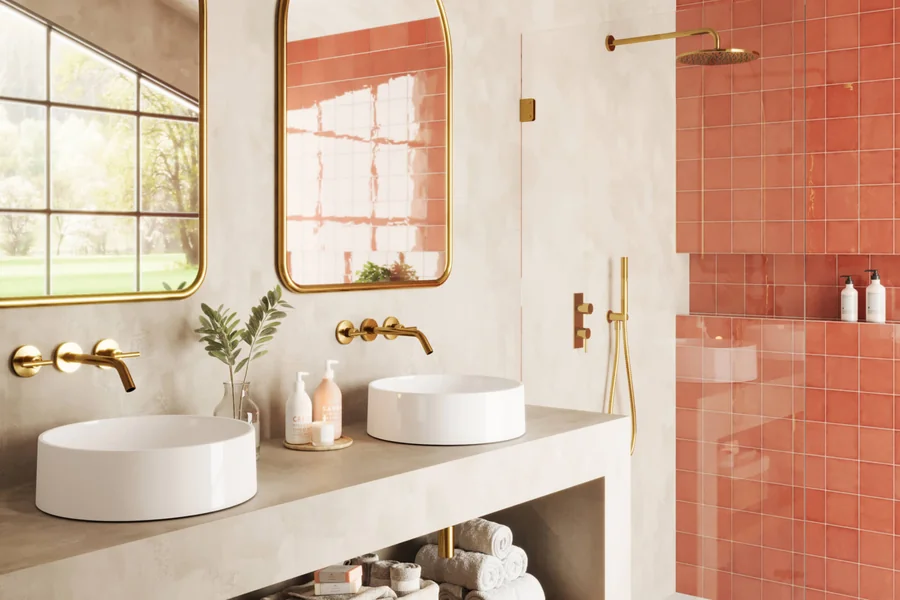
Designing a bathroom can feel like a daunting task, especially when it comes to choosing the right tiles and fixtures. A well-designed bathroom is more than just a functional space; it’s a sanctuary where comfort meets style. The right combination of tiles, faucets, sinks, and showers can elevate the space, making it both beautiful and practical. Here’s a comprehensive guide to help you select the perfect tiles and fixtures for your bathroom.
1. Consider the Bathroom’s Size and Layout
Before selecting any tiles or fixtures, it’s crucial to assess the size and layout of your bathroom. Large bathrooms allow for bolder choices, like dark-colored tiles or statement fixtures, while smaller bathrooms benefit from lighter colors and minimalist designs that make the space feel bigger.
- Small bathrooms: Opt for light-colored tiles with subtle patterns to visually expand the space. Large-format tiles reduce grout lines, creating a seamless look.
- Large bathrooms: Darker tiles or intricate patterns can add drama and elegance without overwhelming the space. Consider using accent tiles to define different zones, such as a shower area or vanity wall.
Understanding the layout also helps determine where fixtures should be placed for optimal functionality and comfort.
2. Choose the Right Tile Material
Tiles are not only decorative but also functional, so choosing the right material is essential. Consider durability, water resistance, ease of cleaning, and aesthetic appeal.
- Ceramic Tiles: Affordable, versatile, and easy to clean, ceramic tiles are perfect for walls and floors in most bathrooms. They come in a wide range of colors and finishes.
- Porcelain Tiles: Denser and more water-resistant than ceramic, porcelain tiles are ideal for wet areas like showers and bathtub surrounds. They are durable and low maintenance.
- Natural Stone Tiles: Marble, granite, or slate adds a luxurious touch but requires more maintenance to prevent staining and water damage. Sealing is often necessary.
- Glass Tiles: Reflective and modern, glass tiles are great for backsplashes or accent walls. They help brighten the space but can be slippery on floors, so use them cautiously.
Consider combining different materials to create texture and depth. For example, matte floor tiles with glossy wall tiles can add visual interest.
3. Decide on Color and Style
Color and style set the tone for the entire bathroom. Consider your personal taste, the existing décor of your home, and the mood you want to create.
- Neutral tones: Whites, beiges, and grays are timeless and versatile. They create a calm, spa-like atmosphere.
- Bold colors: Dark blues, greens, or even black tiles can make a statement, especially when balanced with lighter walls and fixtures.
- Patterns and textures: Subway tiles, herringbone patterns, and mosaic designs can add character. Just be mindful not to overwhelm the space with too many patterns in smaller bathrooms.
Fixtures should complement the tile choices. For instance, matte black fixtures look stunning against white subway tiles, while chrome or brushed nickel works well with neutral tones.
4. Prioritize Functionality
While aesthetics are important, the functionality of tiles and fixtures is crucial in a bathroom, where moisture and daily wear are factors.
- Non-slip flooring: Safety is a priority, especially for families with children or elderly members. Textured or matte floor tiles provide better grip.
- Water-resistant materials: Tiles in wet areas like showers should be water-resistant, and grout should be sealed to prevent mold.
- Easy-to-clean surfaces: Smooth, non-porous tiles and fixtures minimize maintenance and keep the bathroom looking fresh.
Consider the maintenance requirements of the materials you choose. Porcelain and ceramic are easy to clean, while natural stone may require special cleaners.
5. Select Fixtures That Match Your Style
Bathroom fixtures—sinks, faucets, showerheads, and bathtubs—play a major role in defining the overall look and feel of your space.
- Faucets: Choose a finish that complements your tiles, such as chrome, brushed nickel, or matte black. Single-handle faucets are practical, while double-handle faucets can add a classic touch.
- Showerheads: Rain showers offer luxury, while handheld options provide flexibility. Consider adjustable features for comfort.
- Sinks and vanities: Pedestal sinks save space in small bathrooms, while double vanities work well in larger spaces. Material choices like ceramic, stone, or glass can enhance the design.
- Bathtubs: Freestanding tubs are stylish but need space, while built-in tubs are more practical for smaller bathrooms. Acrylic tubs are lightweight, whereas cast iron offers durability.
- Modern bidet attachments: Adding a sleek bidet attachment to your toilet can improve hygiene and add a touch of luxury. These are easy to install and integrate seamlessly with most bathroom designs.
Ensure that fixtures are proportionate to the space. Oversized fixtures in a small bathroom can feel cramped, while small fixtures in a large bathroom can appear out of place.
6. Think About Lighting and Accessories
Tiles and fixtures are enhanced by proper lighting. Layered lighting—ambient, task, and accent—can make a huge difference in how the bathroom feels.
- Ambient lighting: Ceiling-mounted fixtures or recessed lights provide overall illumination.
- Task lighting: Sconces or LED strips around mirrors make grooming tasks easier.
- Accent lighting: Highlight textured tiles or feature walls to add depth and drama.
Accessories like towel racks, soap dishes, and mirrors should match your fixtures in finish and style to create a cohesive look.
7. Test Before You Commit
Whenever possible, view samples of tiles and fixtures in your bathroom space before making a final decision. Lighting can change how colors appear, and the texture or size of tiles can look different in a real setting.
- Place tiles against walls to see the color in natural and artificial light.
- Test water flow from faucets and showerheads to ensure functionality.
- Consider ordering small quantities first to confirm the look and feel.
Testing before committing helps prevent costly mistakes and ensures you’re happy with your choices.
8. Balance Budget and Quality
Bathroom renovations can be expensive, so it’s important to balance aesthetics with cost. While high-end tiles and fixtures look stunning, there are many affordable options that offer similar durability and style.
- Prioritize: Spend more on items you use daily, like faucets, showerheads, and tiles in high-traffic areas.
- Mix and match: Use premium tiles for accents or feature walls and more economical options for the floor or secondary walls.
- Future-proof: Choose timeless designs that won’t feel outdated quickly. Neutral tiles and classic fixtures often have better long-term appeal.
9. Hire Professionals When Needed
Installing tiles and fixtures can be complex, especially if plumbing or structural changes are involved. Professional installation ensures proper alignment, waterproofing, and durability.
- Certified plumbers and tilers can prevent leaks and future damage.
- Experienced designers can help maximize space and style while staying within budget.
- Even small mistakes in tile alignment or fixture installation can affect the overall look and functionality.
Investing in professional help can save time, money, and stress in the long run.
Conclusion
Choosing the perfect tiles and fixtures for your bathroom is a careful balance of style, functionality, and practicality. Start by assessing your space, then select materials, colors, and fixtures that reflect your personal taste while standing up to daily use. Prioritize non-slip, water-resistant, and easy-to-clean options, and don’t forget to consider lighting, accessories, and budget. Testing samples and consulting professionals when necessary ensures your bathroom will be both beautiful and functional for years to come. With thoughtful planning and attention to detail, your bathroom can transform from a simple utility room into a luxurious retreat.