tech hacks pblinuxgaming Master Your Setup Now
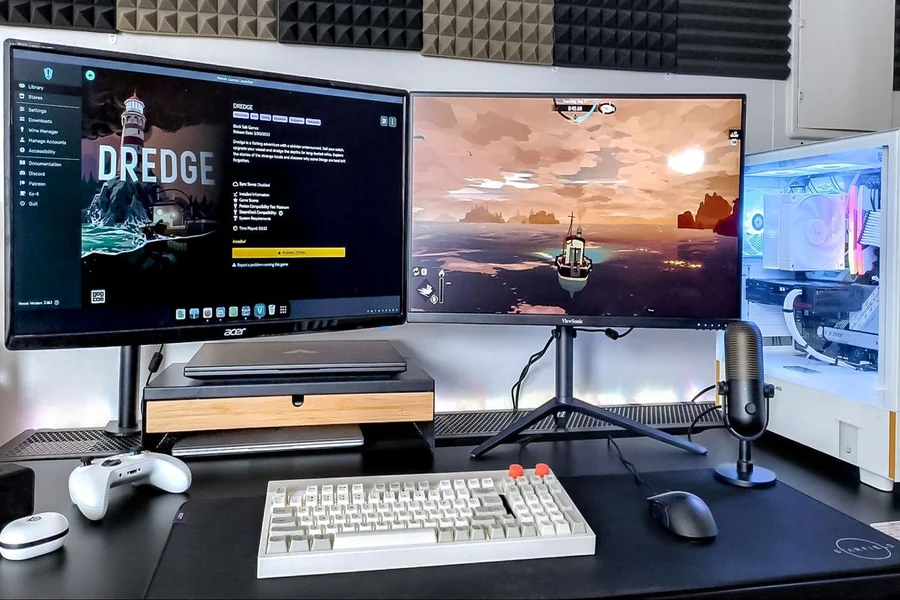
Gaming on a Linux PC has historically been a nightmare but it’s no longer as hard as it used to be. These days, you can play just about any new game with great performance. If you can discover the right tech hacks pblinuxgaming offers you will be able to get the most frames per second and the best performance. These optimization techniques do not require programming skills. It does not require a computer science degree to put these tweaks to work. We will explain the best ways to turn your computer into a gaming beast. All you need to do is a bit of tweaking and some software installation. There’s a dedicated gaming community who have blazed a trail and outlined how to succeed. You can learn from their experiences and avoid the pitfalls so you can get straight to your gaming. You will soon see that controlling an open source computer system has advantages in terms of privacy and resource management than other operating systems simply don’t.
A Primer On Linux Gaming
Open source gaming is built around compatibility layers. Windows games require an interpreter to be able to communicate with your Linux system. That’s where compatibility layers like Proton come in. Proton was developed by Valve to work with Steam and makes it easy to click and play games. All you have to do is turn Steam Play on for all games in your Steam settings and Proton will do the rest. This one click allows you access to thousands of titles you wouldn’t otherwise be able to play on an open source operating system. It often performs as well as on Windows and even better in some cases because there is less crap running in the background to slow you down. It’s so easy to use you may even forget that you are playing a non-native game. A common misconception of new users is that they need to use the terminal for all tasks. Most desktop environments now have GUIs (graphical user interfaces) for everything. You can set up drivers manage gaming libraries and adjust settings without ever opening the terminal. Operating systems such as Pop!_OS or Linux Mint are built with the average user in mind. They will automatically install drivers for your hardware saving you time and effort. It’s a matter of finding the right distro for your existing skillset. Once you are familiar with basic system concepts you can apply some of the tech hacks pblinuxgaming users suggest to get more performance out of your hardware. Having a grasp on these fundamentals ensures you don’t get bogged down in complex configuration settings.
Basic Tweaks To Improve Performance
How your computer uses power is managed by your operating system and this affects gaming performance. Most computers come with a balanced power mode to conserve power and keep things cool. Use a performance governor for your CPU when gaming. This means your CPU will operate at full speed so you don’t have to worry about a dramatic drop in frame rate during action packed scenes. You can automate this process by using tools such as Feral GameMode. GameMode is a background process that automatically tunes your system when you start a game. It sets your CPU governor, alters your input output priority and suspends any background processes. This ensures that your system is only working to provide you with the best gaming experience. A huge source of performance gains is the desktop compositor. The compositor is used to render window transparency and animations. These look pretty but they take up precious graphics processing resources that could be used for games. Turning off the compositor when playing games allows the graphics card to concentrate on the game. This can be achieved automatically in some desktop environments such as KDE Plasma when a game is launched. If you use another environment you may need to create a simple script or switch it off before you start a demanding game. Keeping an eye on these processes is one of the best tech hacks pblinuxgaming gamers can use. A few megabytes of extra RAM or a percent or two of extra CPU horsepower can give you an edge in competitive multiplayer games.
Best Compatibility Tools for Gamers
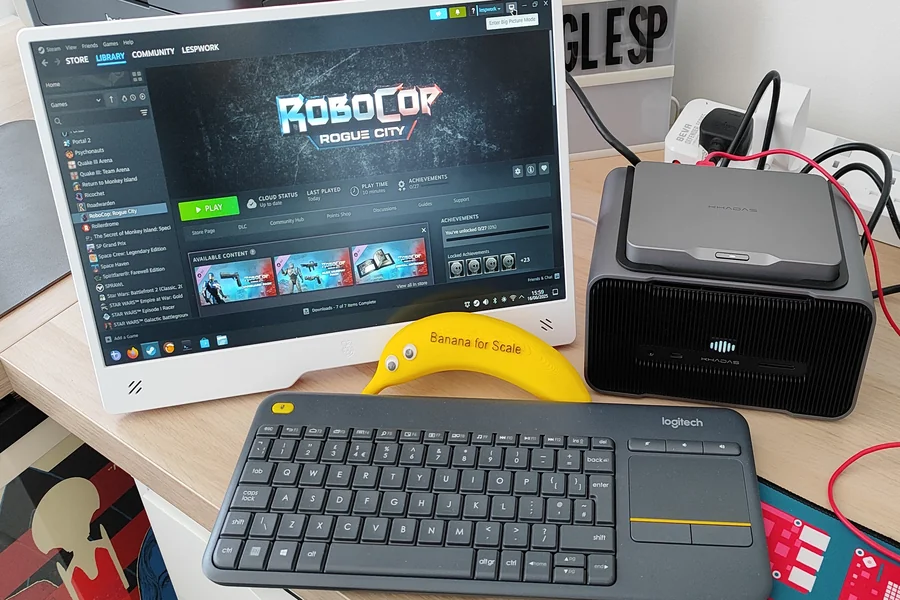
Steam is a great platform but you probably have games from other platforms such as Epic Games and GOG. You need launchers to manage these without taking up room on your PC. Lutris is a powerful game manager and launching platform that can organise any game, no matter where you purchased it. Lutris relies on community generated installation scripts to set up the best settings for each particular game. This eliminates the need to experiment with prefixes or configure Wine settings for each game. You simply search for the game you want to play, click install and Lutris takes care of all the nitty gritty of the process. This is a wonderful piece of software that makes entry to the platform much easier for the aspirational gamer. Another must have addition to your tool belt is Heroic Games Launcher. This is a native client for Epic and GOG accounts. Heroic is fast light and compatible with ProtonGE. ProtonGE is a modified version of Proton containing all the very latest media foundation patches and fixes that Valve haven’t incorporated into the main release of Proton yet. It is not uncommon to see a new game crash and burn on Proton but work perfectly with ProtonGE. It is essential for any open source game to know how to switch between compatibility tools. It allows you to switch as a game changes and stops working. Knowing these tools well will ensure you will rarely come across a game you can’t play.
Drivers And Hardware On Linux
The most important part of your gaming station is your graphics drivers. Installing these will vary greatly depending on whether you are an AMD or Nvidia user. AMD users are fortunate to have the open source Mesa drivers integrated into the Linux kernel. You are treated to unrivalled performance without having to install anything directly from the company’s website. They’re regularly improved by the community and have great Vulkan support. Vulkan is the graphics API that allows DirectX translation for modern games to run natively on Linux. Ensuring your machine is up to date means you have the latest Mesa optimisations for improved stability and performance. Gaming on Nvidia cards is a bit more complicated as you have to depend on closed source drivers. Only the official Nvidia driver package should be installed for gaming. Using the open source Nouveau drivers for Nvidia cards will give you poor frame rates and rendering issues. Every gaming oriented distro includes a driver manager to click install these proprietary drivers. Be sure to choose the latest stable release to ensure compatibility with the latest games. You should also make sure that you have the 32 bit graphics libraries installed for compatibility with older games and layers. Having the right drivers installed is a key preliminary step before using any of the tech hacks pblinuxgaming forums recommend.
Troubleshooting Common Gaming Issues
Despite all your effort you will still encounter a game that just won’t play nice. ProtonDB is always the first place to start. This user-run website is a huge database of game playability. You can simply search for a game and read other users experiences with a similar computer configuration. They can tell you exactly what to put into your launch options or configuration settings to avoid crashes and graphical glitches. Pasting a single line of text into the Steam launch options may solve a problem. It is the best resource for any open source operating system gamer and should be bookmarked now. If a game crashes on startup you should check the integrity of the game files. Bad downloads are common and this can often fix strange problems without having to do any further troubleshooting. If this fails you should look at the system logs. Running Steam from the terminal will show you the text output produced by Steam when the game loads. You will often see error messages relating to missing libraries or driver problems. This will allow you to search for solutions specific to these error codes. The open source community is very active and you can probably find someone that has run into the same issue you are having.
Frequently Asked Questions
What is the best Linux distro for gaming? New users are always advised to use Pop!_OS or Linux Mint as they automatically install proprietary drivers. Nobara Linux is also a good option as it’s primarily built for gaming with various tweaks and patches already installed.
Do multiplayer games with anti cheat work on Linux? This is up to the game developers. Some well known anti cheat software such as Easy Anti Cheat and BattlEye now support Linux but it needs to be turned on by the developers. Be sure to check ProtonDB before purchasing a multiplayer game.
Do I have to know the terminal for Linux? You don’t need the terminal to play games. Installing drivers, managing games and more is done with graphical interfaces. The terminal is useful for troubleshooting but not necessary for day to day operations.
Are there any tech tips pblinuxgaming suggests for low end machines? Yes, switch to a low resource desktop manager such as XFCE. You should also use Feral GameMode and consider down scaling your game resolution and enabling AMD FidelityFX Super Resolution to increase your frame rates.
How do I keep track of my FPS and temperature? Programs such as MangoHud allow you to add an overlay. This will show your frame rates CPU and GPU temperatures and memory usage in real time during gameplay.
Final Thought
It’s fun to turn your PC into a gaming powerhouse. Using the tech hacks pblinuxgaming gamers share you can wring every bit of performance out of your system. Gone are the days of sacrificing frames per second and graphics quality to play your favourite games. The system is ever-changing with new programs and improved driver support every month. With an up-to-date system and support from the community such as ProtonDB you can overcome any technical obstacle. Play your large collection of games and enjoy the freedom of an open source operating system that you can fine tune to your liking.
More Article: Exploring Flavors: What to Expect from a Caviar Sampler