Incision Types Used in Breast Lift Turkey
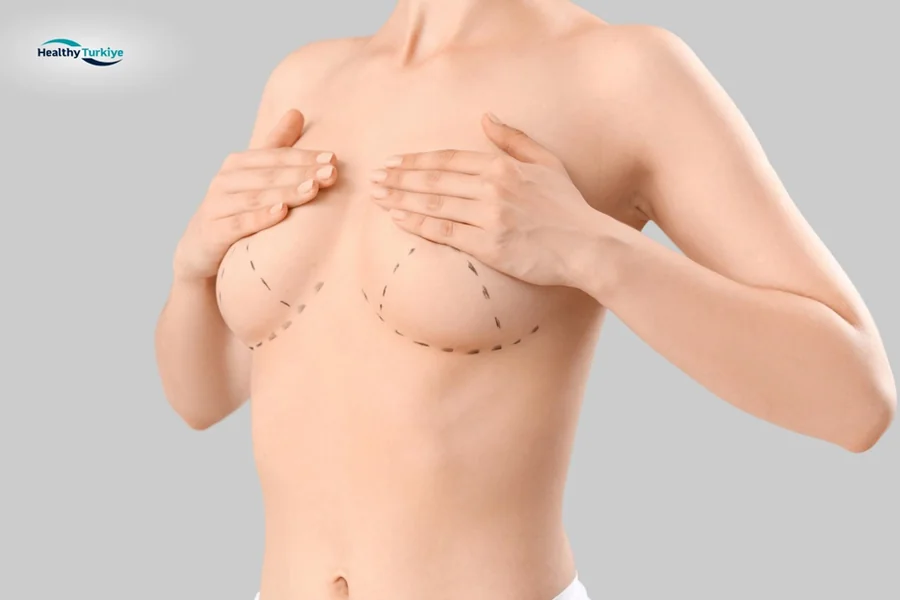
Breast lift surgery, medically known as mastopexy, is designed to reposition and reshape sagging breasts by removing excess skin and tightening surrounding tissue. The technique selected for a breast lift plays a critical role in achieving balanced contour and long-lasting aesthetic results. One of the most important surgical decisions involves the type of incision used. In recent years, breast lift turkey procedures have become increasingly popular due to the combination of surgical expertise, advanced medical facilities, and cost-effective care available in the country.
Understanding the different incision techniques used during mastopexy helps patients make informed decisions about their procedure. While each method serves the same fundamental purpose—lifting and reshaping the breast—the approach varies depending on the degree of sagging, skin elasticity, breast volume, and desired outcome.
Why Incision Type Matters in Breast Lift Surgery
The incision pattern determines how excess skin is removed, how the nipple-areola complex is repositioned, and how scars will ultimately appear after healing. Surgeons performing breast lift turkey procedures carefully evaluate breast anatomy, skin quality, and patient goals before selecting the most appropriate technique.
The goal is to achieve natural elevation while minimizing visible scarring. Modern surgical methods emphasize scar concealment and tissue preservation whenever possible. Just as precision and planning are essential in advanced procedures such as orthopedic surgery turkey, meticulous surgical planning is equally important in aesthetic breast surgery.
Periareolar (Donut) Incision
The periareolar incision, often referred to as the donut lift, involves a circular incision around the border of the areola. This technique is typically recommended for patients with mild breast sagging and good skin elasticity.
Because the incision follows the natural pigment transition of the areola, the resulting scar is generally well concealed. This method allows the surgeon to remove a limited amount of excess skin and slightly reposition the nipple.
However, it is not suitable for moderate or severe ptosis (sagging), as it offers limited lifting capability. Surgeons performing breast lift turkey procedures assess whether this minimally invasive approach will provide sufficient structural improvement.
Vertical (Lollipop) Incision
The vertical incision technique involves a circular incision around the areola combined with a vertical incision extending downward to the breast crease. This pattern resembles a lollipop shape and is commonly used for moderate sagging.
The vertical approach allows more extensive skin removal and reshaping of breast tissue. It provides improved contouring compared to the periareolar technique while avoiding the longer horizontal scar of more extensive procedures.
In many breast lift turkey cases, the vertical incision strikes a balance between effective lift and controlled scar length. Modern suturing methods and postoperative care significantly improve scar maturation over time.
Anchor (Inverted T) Incision
For patients with significant sagging or substantial skin excess, the anchor incision offers the most comprehensive correction. This method includes an incision around the areola, a vertical incision downward, and a horizontal incision along the breast crease.
Although this technique results in more extensive scarring, it provides the greatest degree of reshaping and elevation. The anchor method allows surgeons to address severe ptosis and create long-lasting structural support.
Experienced surgeons performing breast lift turkey procedures carefully design anchor incisions to align with natural breast contours, helping scars fade discreetly as they mature.
Crescent Incision
The crescent incision involves a small, half-moon-shaped incision along the upper border of the areola. It is typically reserved for patients requiring minimal nipple repositioning.
This technique is less commonly used because its lifting capacity is limited. However, in carefully selected cases, it can provide subtle improvement with minimal scarring.
Factors Influencing Incision Selection
Selecting the appropriate incision depends on multiple clinical factors. Breast anatomy, skin quality, previous surgeries, and patient expectations all influence surgical planning.
Patients undergoing breast lift turkey consultations receive individualized assessments that include physical examination and discussion of aesthetic goals. Surgeons evaluate:
- Degree of breast sagging
- Nipple position relative to the breast fold
- Amount of excess skin
- Breast size and symmetry
- Whether implants will be combined with the lift
In some cases, mastopexy is combined with augmentation or reduction procedures, which may influence incision choice.
Scar Healing and Long-Term Appearance
Scar formation is a natural part of surgical healing. While incision patterns determine initial scar placement, long-term appearance depends on individual healing response, postoperative care, and surgical technique.
Advanced suturing methods, tension-minimizing closure techniques, and post-surgical scar management protocols contribute to improved outcomes. Silicone gels, compression garments, and proper wound care help optimize scar maturation.
The structured postoperative follow-up seen in breast lift turkey programs ensures that patients receive guidance for optimal healing, similar to the detailed rehabilitation protocols observed in complex procedures like orthopedic surgery turkey.
Recovery and Postoperative Care
Recovery following mastopexy typically involves mild to moderate discomfort, swelling, and temporary sensitivity changes. Most patients resume light activities within one to two weeks, while full healing may take several months.
Patients are advised to wear supportive garments to maintain breast position during the early healing phase. Follow-up appointments allow surgeons to monitor incision sites and ensure proper scar formation.
Comprehensive postoperative care contributes significantly to final aesthetic outcomes.
Safety and Surgical Standards in Turkey
Turkey’s aesthetic surgery centers operate under regulated healthcare systems with internationally aligned safety standards. Many hospitals are equipped with advanced operating theaters and experienced anesthesiology teams.
The expertise and infrastructure available for breast lift turkey procedures reflect the broader strengths of the country’s healthcare system. Whether in reconstructive aesthetic or orthopedic surgery turkey precision and patient safety remain priorities.
Long-Term Results and Patient Satisfaction
When performed correctly, mastopexy results can last many years. Although natural aging and gravity continue to influence breast shape over time, properly selected incision techniques support durable elevation.
Patient satisfaction often depends on realistic expectations, thorough consultation, and understanding of scarring patterns. By carefully choosing the incision type, surgeons balance aesthetic improvement with scar management.
Conclusion
Incision selection is a central element in achieving successful mastopexy outcomes. From periareolar techniques for mild sagging to anchor incisions for more advanced correction, each approach serves a specific purpose. In breast lift turkey programs, personalized planning ensures that incision patterns align with individual anatomy and aesthetic goals.
Turkey’s advanced surgical infrastructure and experienced specialists provide patients with safe, precise, and well-coordinated care. At Healthy Türkiye, we guide patients through each stage of consultation, surgical planning, and postoperative recovery, ensuring clarity, safety, and optimal aesthetic results throughout their breast lift journey.